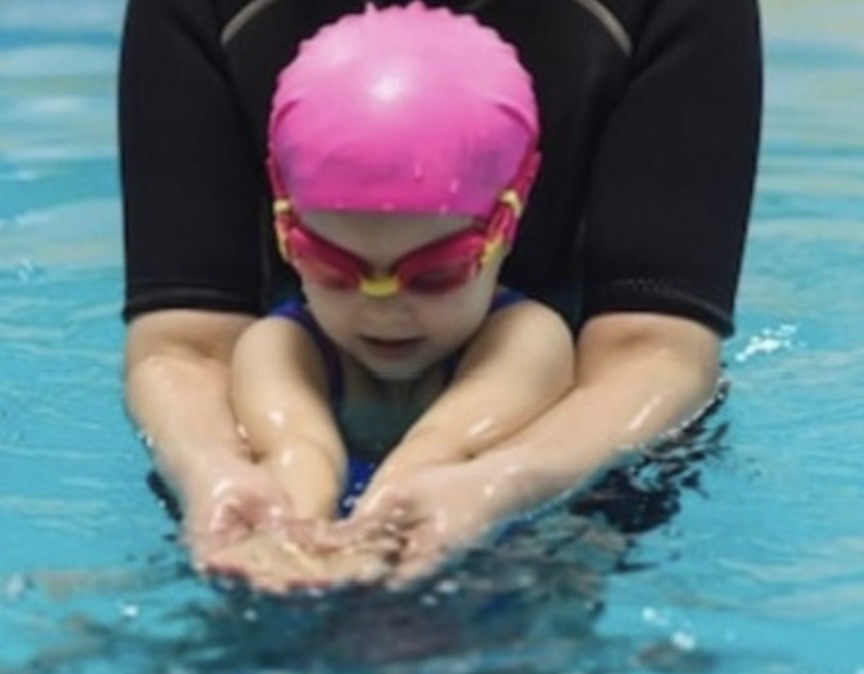

Repetition is one of the most important parts of learning to swim, especially for babies and young children. Swimming skills involve motor coordination, timing, balance, breathing and confidence, so children need repeated practice for these skills to become more natural and automatic. Repeating of movements and skills helps the brain and body work together to turn swimming skills into familiar movements. The more children practise a skill correctly, the stronger the connection between their brain and body becomes, helping them swim with greater confidence, coordination and control. Our Learn to Swim Book Series (Waterdropkidz.co.za) can be a valuable repetition tool because they allow children to revisit swimming skills and concepts between lessons. Repetition helps turn new movements into familiar patterns and gradually builds confidence and understanding.
How Learn to Swim Books support repetition
Repetition builds confidence and reinforces learning. Our learn-to-swim books give children the opportunity to revisit swimming skills, sequences and concepts again and again, helping connect what they see on the page with what they practise in the water.
Reinforce skills taught in lessons
Children can look at the same swimming skills repeatedly, helping them remember what they have practised in the pool.
Create opportunities for practice away from the pool
Even when children cannot swim every day, looking at pictures, discussing techniques and following simple activities keeps swimming concepts familiar.
Strengthen memory
Repeatedly seeing words, pictures and sequences helps children remember skills such as kicking, floating, breathing and arm movements.
Build familiarity and confidence
Seeing a skill several times before attempting it can make it feel less unfamiliar and intimidating.
Encourage learning through routine
Reading the book before or after swimming lessons can become a consistent part of the child’s learning routine.
Support visual learning
Illustrations showing the stages of a skill give children a visual reference they can return to again and again.
Help parents reinforce learning
Parents can use the book to talk about and practise appropriate swimming concepts with their child between lessons.
Encourage self-directed learning
Children can revisit activities independently, giving them a sense of involvement and ownership in their swimming journey.
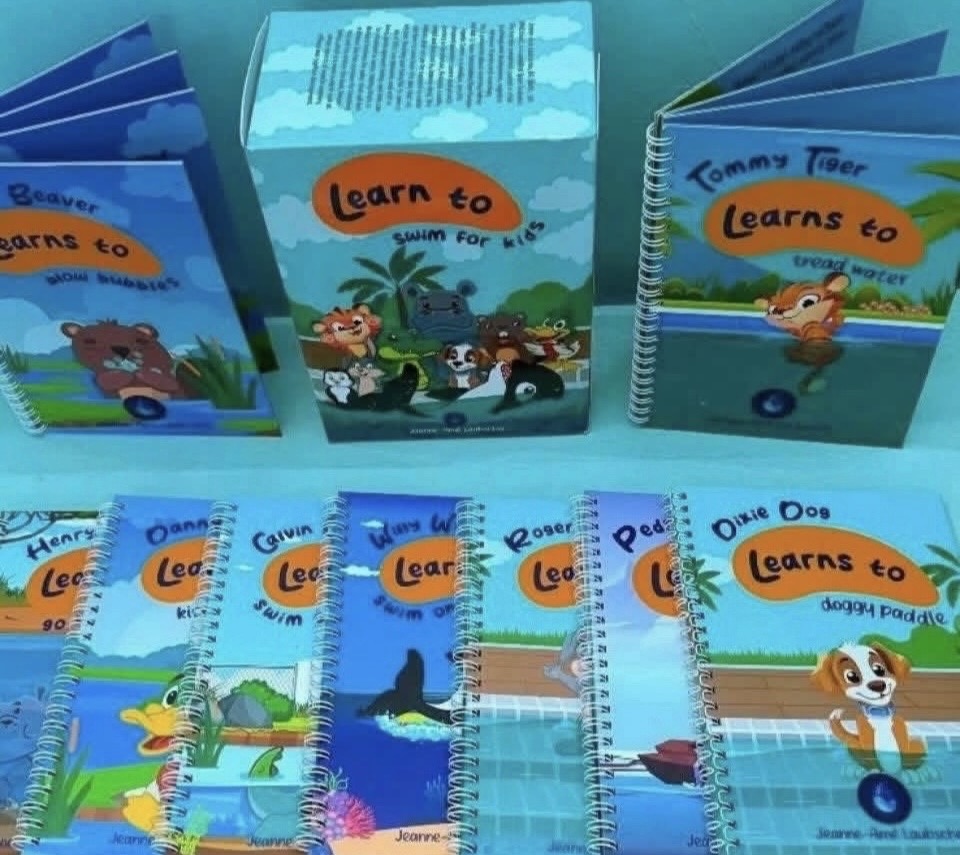
Why repetition matters
Swimming involves many skills that need to become increasingly automatic. Repeated exposure + repeated practice + consistent feedback helps children develop coordination and recall. A learn-to-swim book can compliment practical pool time by keeping the skills, language and sequence of learning familiar.
Benefits of repetition
Builds muscle memory
Repeating movements such as kicking, arm strokes and breathing helps the body remember the correct pattern, making skills easier to perform without consciously thinking about every step.
Improves coordination
Swimming requires the arms, legs, breathing and body position to work together. Repetition helps children to coordinate these movements more smoothly.
Develops water confidence
Repeated exposure to the water can help children become more comfortable with floating, putting their face underwater, jumping in and moving independently.
Improves breathing control
Practising blowing bubbles, submerging and coordinating breathing helps children develop better breath control and timing.
Strengthens swimming technique
Repetition gives children opportunities to practise correct technique and gradually make their movements more efficient.
Builds consistency
Regular practise helps children retain skills between lessons instead of having to relearn them each time.
Develops balance and body awareness
Repeated floating, gliding, kicking and changing body positions helps children understand how their bodies move and respond in the water.
Builds confidence and resilience
As children repeat a skill and see themselves improving, they learn that practice leads to progress. This can encourage perseverance when a skill is challenging.
Supports memory and learning
Repetition reinforces the brain pathways involved in a movement, helping children remember and retrieve the skill more easily.
Makes skills more automatic
With enough appropriate practice, basic skills can become more automatic. This is particularly valuable in swimming because children can devote more attention to their surroundings and safety rather than concentrating on every individual movement.